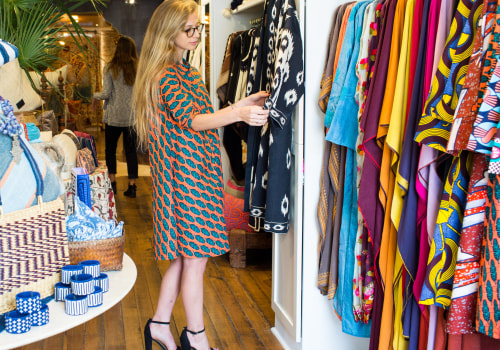
In Southeastern South Carolina, boutique shopping plays a meaningful role in shaping how homebuyers perceive a neighborhood. Beyond the standard checklist of home features, buyers are increasingly drawn to communities that offer charm, convenience, and a sense of identity. Boutiques contribute to this by providing curated, locally inspired retail experiences that reflect the culture of the area. Whether it’s a small clothing shop in downtown Charleston or a specialty gift store in Bluffton, these businesses create a unique atmosphere that big-box retailers simply cannot replicate. For many buyers, the presence of nearby boutiques signals a vibrant, walkable community where daily life feels more personalized and enjoyable.
Supporting a Sense of Community
Boutiques are often locally owned, which makes them an important part of the community fabric. Homebuyers recognize that these businesses foster relationships, support local artisans, and contribute to the local economy. When touring neighborhoods, buyers may notice how boutique owners interact with customers, host small events, or collaborate with nearby cafes and galleries. This level of engagement adds warmth and authenticity to the area, making it more appealing for those looking to settle down. Realtors frequently highlight these elements during showings, emphasizing how boutique districts can help new residents feel connected more quickly.
Walkability and Everyday Convenience
Another reason boutiques matter is their contribution to walkability. In many Southeastern South Carolina towns, boutique-lined streets encourage residents to leave their cars behind and explore on foot. This is especially attractive to buyers seeking a more relaxed, coastal lifestyle where errands can double as leisurely outings. Being able to walk to a boutique for a last-minute gift, a stylish outfit, or home décor adds convenience while enhancing quality of life. Realtors often showcase nearby boutique areas as part of their marketing strategy, helping buyers envision a lifestyle that blends practicality with enjoyment.
Enhancing Property Value and Appeal
The presence of boutiques can also influence property values. Homes located near well-established shopping districts tend to attract more interest, particularly from buyers who prioritize lifestyle amenities. Boutiques signal that a neighborhood is thriving and desirable, which can lead to increased demand and stronger resale potential. Real estate professionals understand this connection and incorporate it into their messaging. By highlighting boutique proximity, they position properties as not just homes, but gateways to a more enriched living experience. Teams like The Elliott Team often use this approach to connect buyers with communities that align with their lifestyle goals.
Creating a Distinctive Coastal Identity
Southeastern South Carolina is known for its coastal beauty, but boutiques help define its character on a more personal level. Each shop tells a story—whether it’s through handcrafted goods, locally sourced products, or thoughtfully designed interiors. For homebuyers, this adds depth to the area’s appeal, making it feel less like a generic destination and more like a place with personality. Realtors leverage this by weaving boutique culture into their property narratives, showing how these small businesses contribute to the overall charm and livability of the region.
A Lasting Impression for Buyers
Ultimately, boutiques leave a lasting impression on homebuyers because they represent more than just shopping—they symbolize lifestyle, connection, and community pride. When buyers explore neighborhoods with thriving boutique scenes, they can better imagine themselves living there, forming routines, and becoming part of the local culture. This emotional connection often plays a decisive role in the homebuying process. By highlighting the importance of boutiques, realtors help transform a simple property search into a vision of everyday life, making Southeastern South Carolina an even more compelling place to call home.